
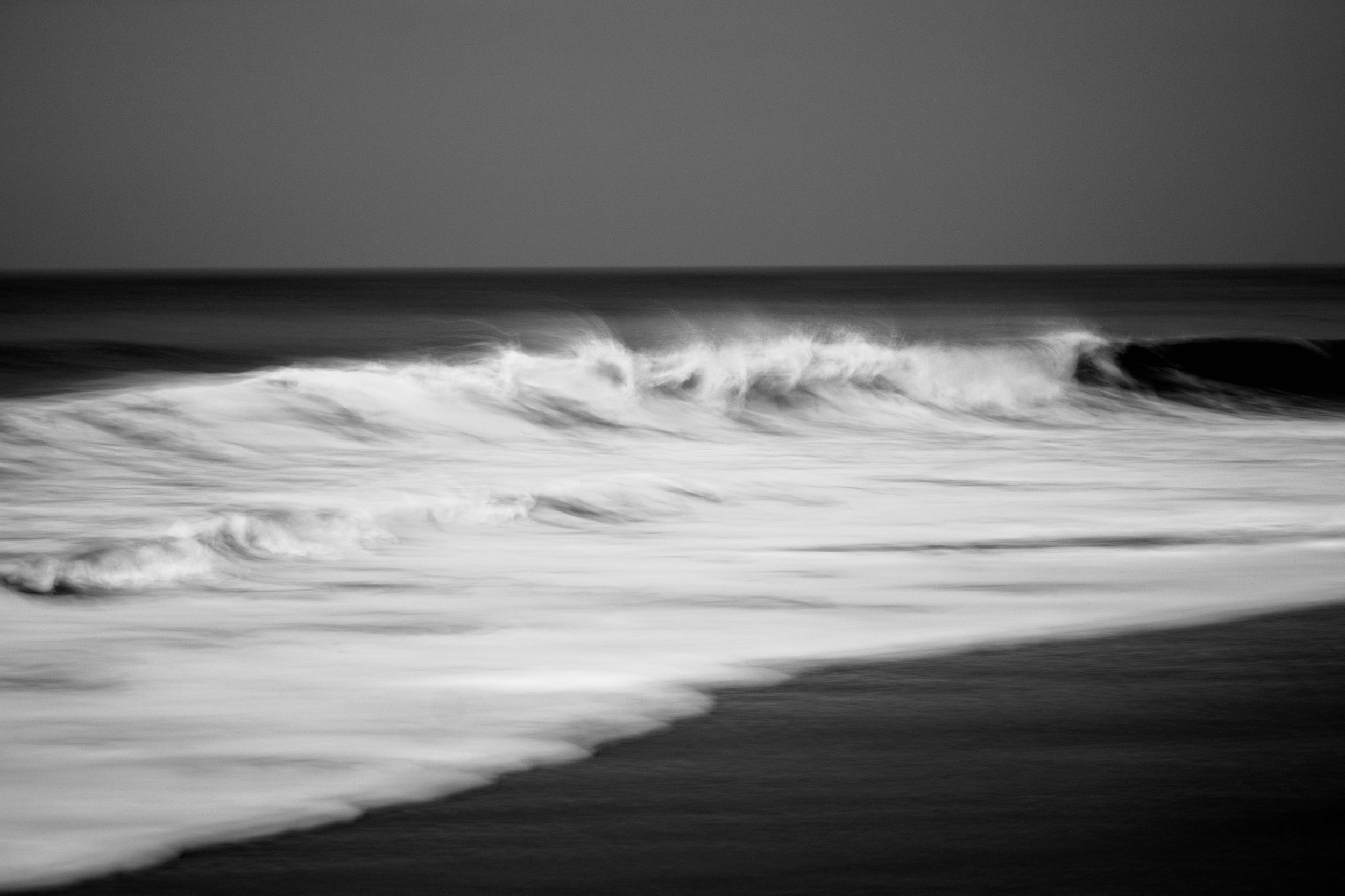
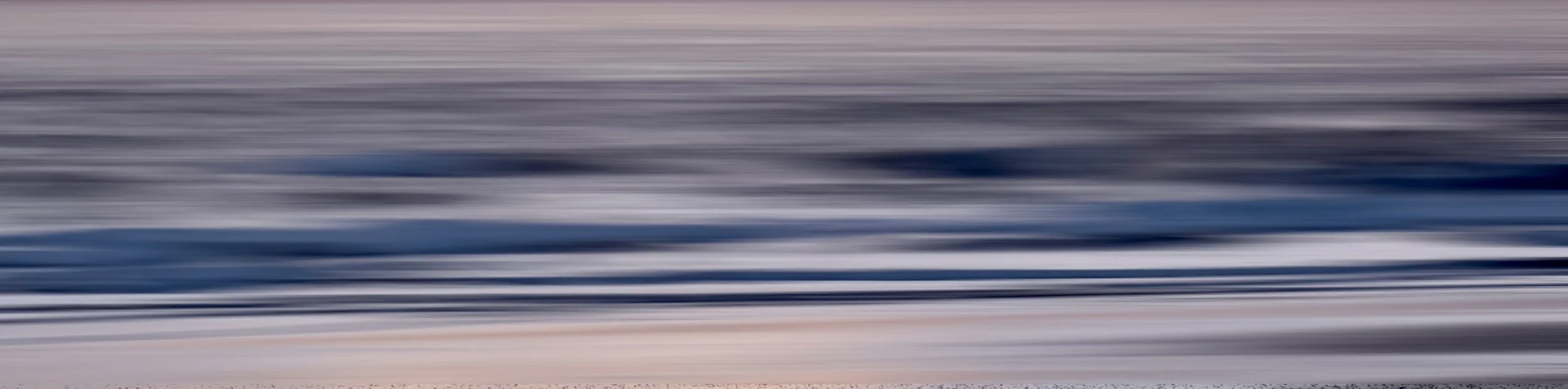
Intentional Camera Movement - ICM
I
The Technique Every Wild Photographer Needs
Break creative blocks, embrace wild imperfection, and rediscover the raw beauty of your craft - all in one transformative lesson
Feeling Stuck Behind the Lens?
This single lesson will help you rewild your creative process. You’ll uncover a technique that’s simple to learn yet endlessly powerful—a secret weapon for reigniting inspiration and capturing authentic, untamed moments.
But here’s the magic: mastering the basics is only the beginning. Beyond that lies a world of nuance, where experimentation becomes your greatest teacher and every “mistake” sparks new possibilities.
What You’ll Learn
The Technique Explained: Discover Intentional Camera Movement (ICM)—a method that turns motion into magic
Practical Steps: Clear, actionable guidance for immediate results
Mindset Shift: Embrace imperfection and find beauty in the unexpected
Why Try ICM?
The beauty of ICM lies in its unpredictability: no two images are ever the same. Each frame becomes a unique expression of movement and light. You’ll also make plenty of frames that don’t quite work—that’s the point. Unlike conventional shooting, ICM prizes experimentation over replication.
Good to know: Comfort with operating a camera manually helps you steer the chaos. If you’re brand-new to shutter speed, aperture and ISO, bookmark this lesson and return after a fundamentals refresher.
What Makes It Special
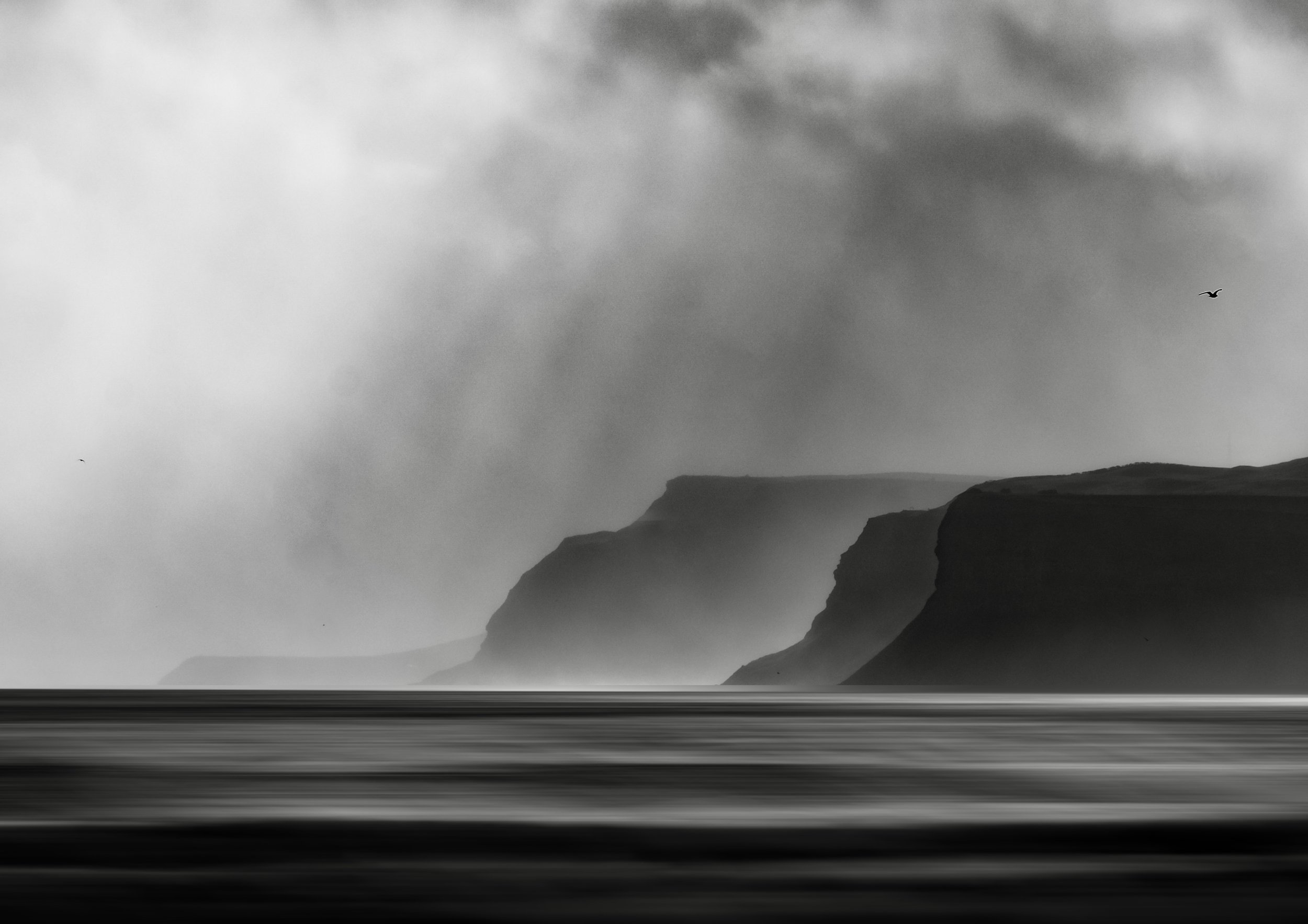
Endless Creativity: ICM turns ordinary scenes into painterly abstracts—ideal for large wall prints and series work
Weather-Proof: Rain, fog, harsh sun—every condition offers new palettes and textures. You only need to change your settings and an ND filters where needed
Freedom to Explore: There are no hard rules here—only methods to help you find your wilder path


Mastering the Basics
Mindset: Slow Down to See More
Before you even think about lifting your camera, pause. Wander. Sit. Breathe. Let the world seep in. Creativity thrives when the mind is clear and the senses are awake.
Immersion: Become part of the place, not just a visitor. Engage every sense—listen to the wind, feel the textures, taste the air. I like to wild swim in all temperatures, light a fire where it’s safe, sleep nearby where it’s safe. I might also write a short poem or paint what I see and feel in watercolour.
Seeing Differently: Immersion unlocks a new way of seeing—one that begins with feeling. Notice how light dances, how waves carve patterns, how shadows whisper stories. Ask yourself: How does this moment make me feel? That emotion becomes your lens. Observe the way the light plays on the water and the patterns the incoming and outgoing waves make. Also, look at the shadows - where is shade being cast and how does it alter the scene.
Visualisation: Before setting up, close your eyes. Let go of the noise of everyday life. Imagine the image—not as a technical frame, but as an experience. For some, this is a guided meditation; for others, a quiet focus on the shot ahead. But start with immersion first—connection is the antidote to disappointment.
Technique
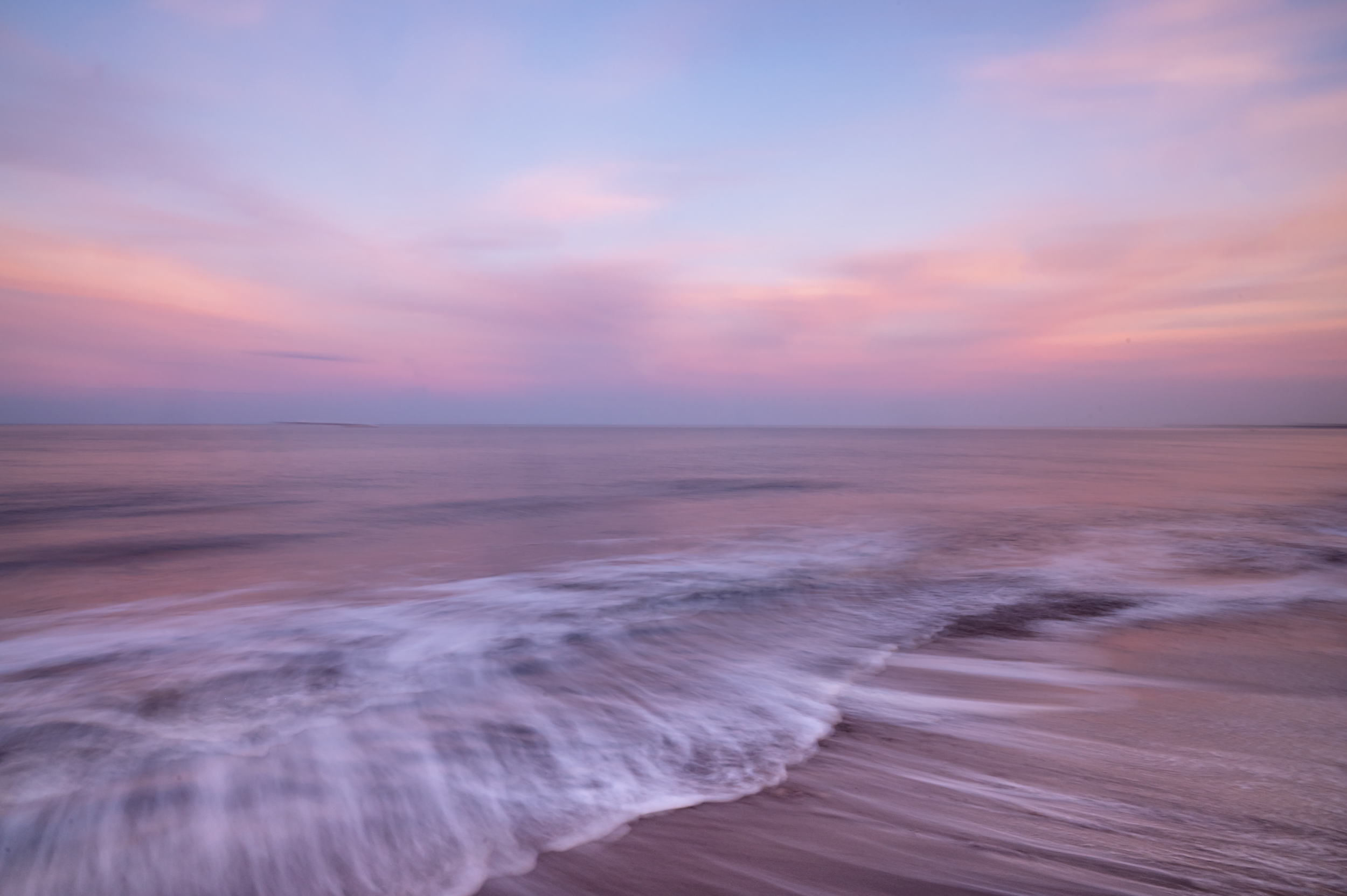
Seascapes: Glide the camera in a slow, almost imperceptible horizontal move, flowing with the tide.
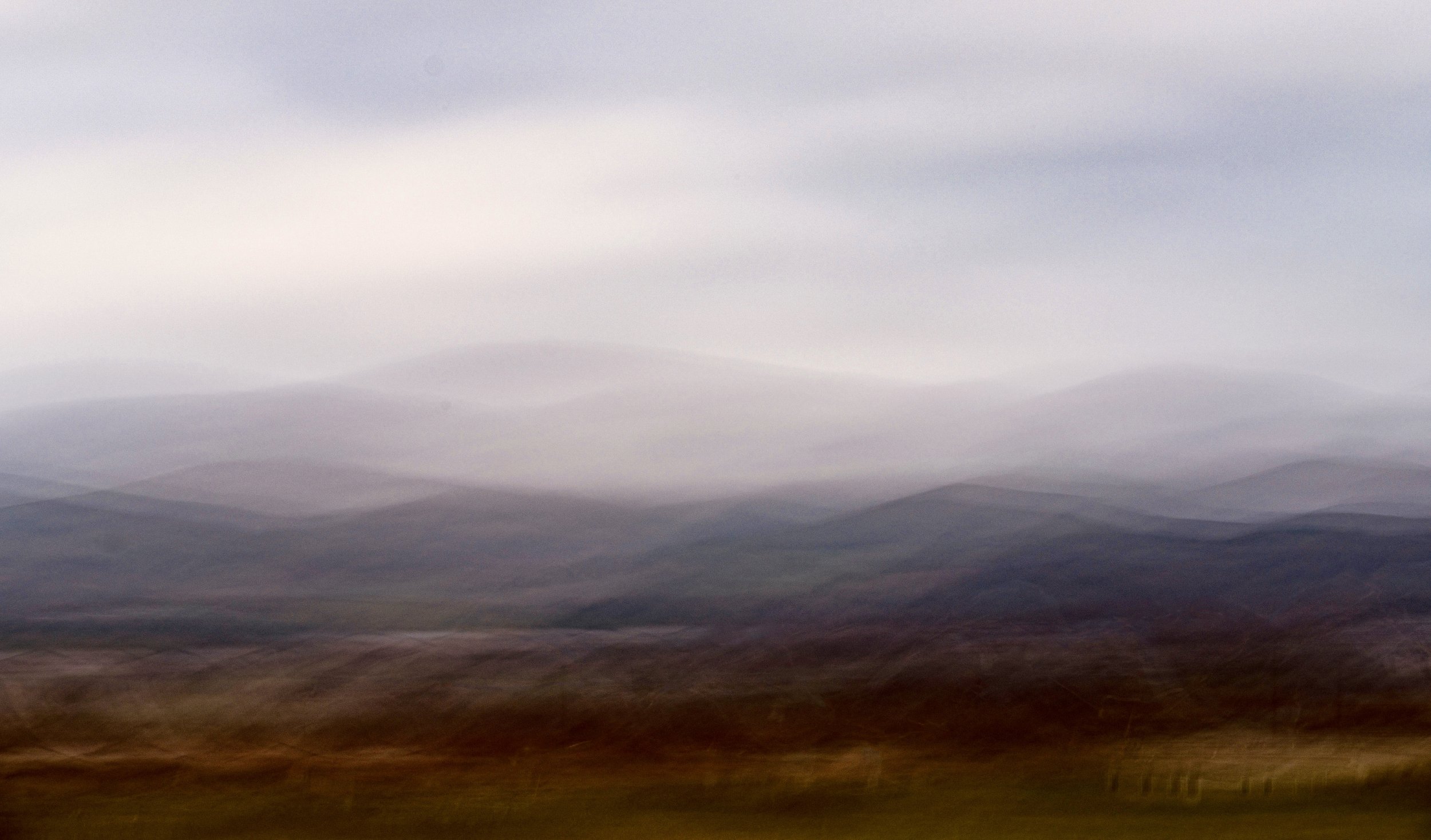
Mountains: Use a gentle, undulating horizontal sweep to echo the contours.
Trees: Move vertically in one smooth line—avoid harsh up–down jolts for cleaner trunks.
Go Even Deeper
Want stunning seascapes? Keep an eye on the tide times. A high ebbing tide reveals fascinating textures and patterns as the water retreats, creating dynamic foregrounds for your shots. For ICM this feature can create stunning smooth swirling patterns and leading lines, making a simple composition more artistic.
If you can time it with a sunrise or sunset? That’s pure magic—light dancing on the waves as the tide pulls back. Nature’s drama at its best.
Essential Camera Settings
Shutter Speed: ~0.8–2.5s handheld for dreamy blur.
ISO & Aperture: Balance exposure to hit your target shutter speed.
Focus Mode: Switch to Manual Focus MF to prevent hunting during movement.
Filters: A neutral-density (ND) filter extends shutter speed in bright light.
You will take many frames - make sure you have enough space on SD cards and spare camera battery
Be careful of water entering your equipment and sand getting stuck around your lens threads
Advanced Techniques
Double Exposure: Blend two ICM frames in-camera or in post for surreal depth.
Colour Play: Seek complementary hues—golden reeds vs. blue water—for painterly contrast.
Intentional Imperfection: Try abrupt zig-zags, arcs, or subtle rotations for wilder energy
Next Steps
Read my short field guide ‘Untethered - A Wild Photographer’s Field Guide’ for more inspiration
Join my mailing list for news on upcoming courses, in-person workshops and Rewilding Photography Walks
Newsletter
I’d love to keep you updated on new books and prints for sale as well as course releases and workshops. It won’t be often, just whenever something new comes along x